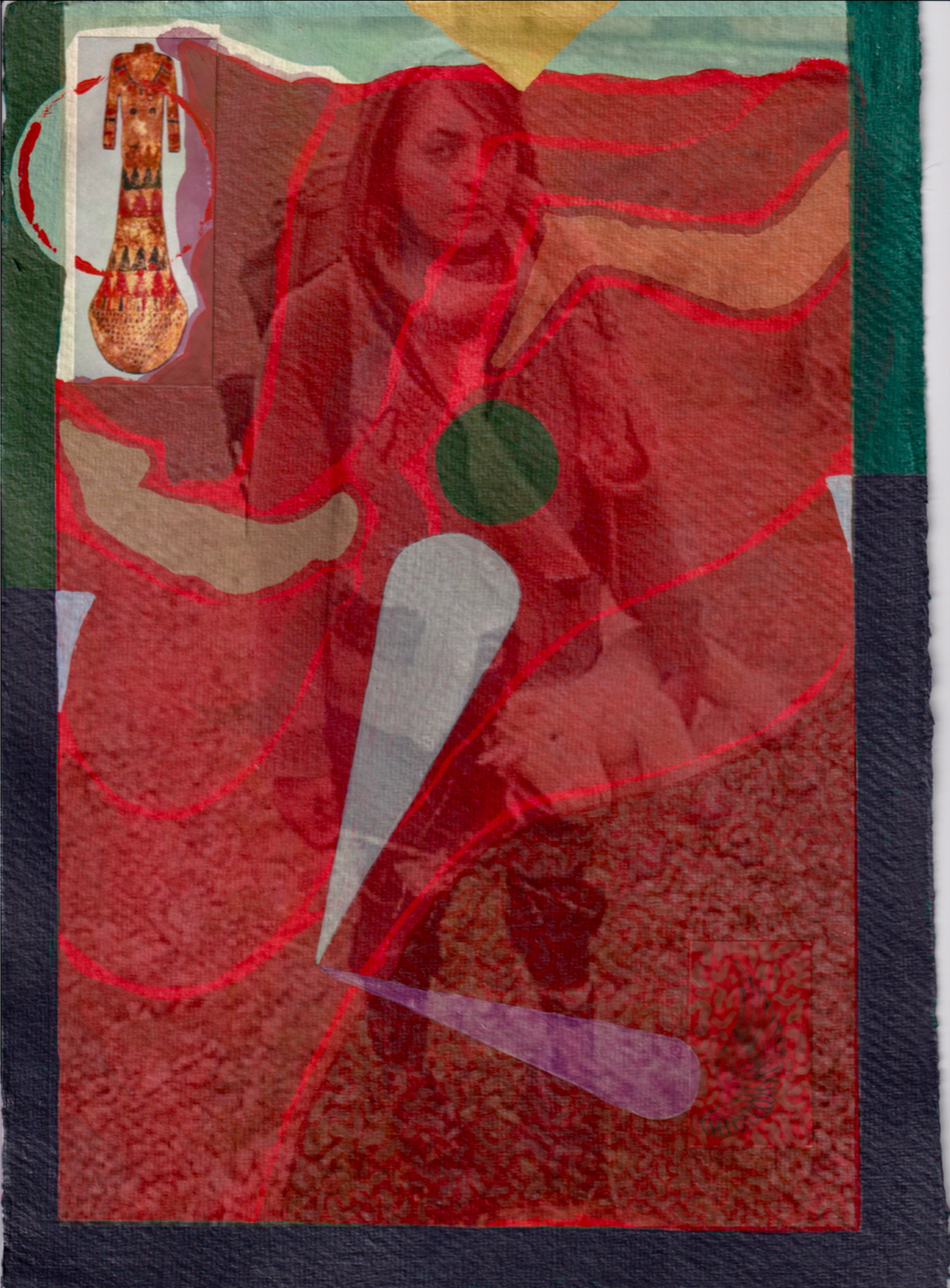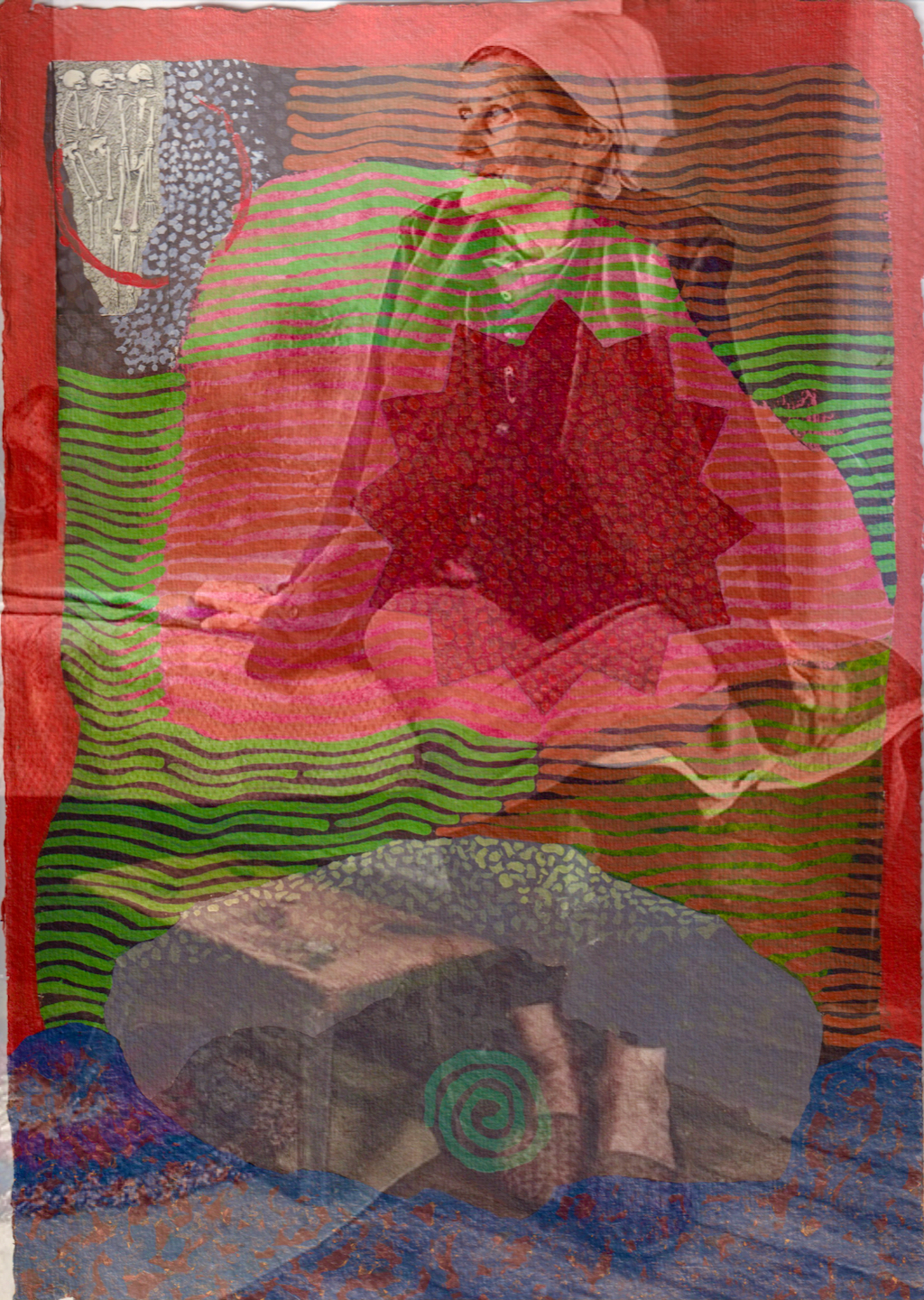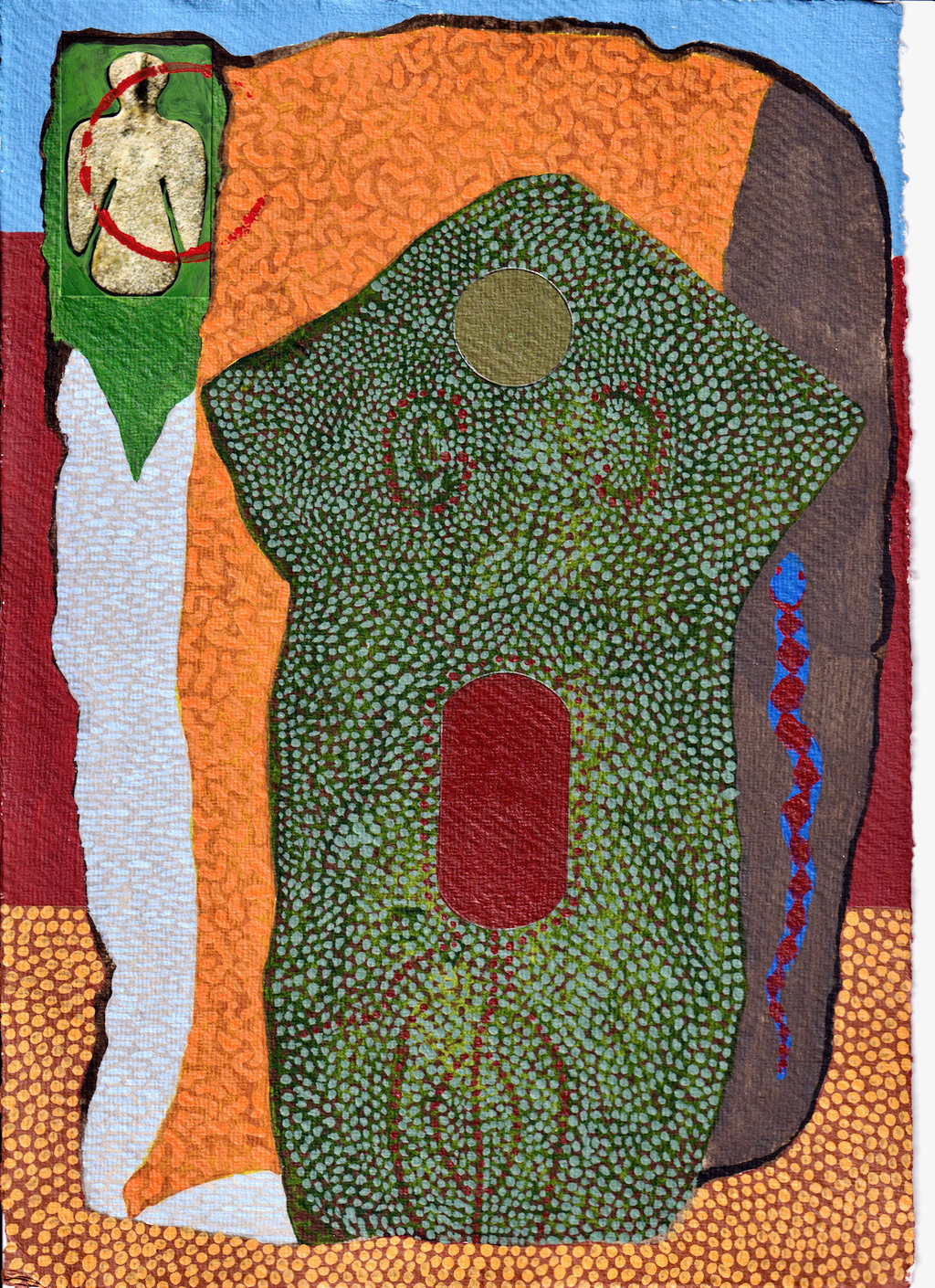
22 Postcards for Utopias Bach: postcard fourteen.

Stone: goddess listening

‘A questioning approach to quality, as something to strive towards. Developing a culture of noticing, especially questioning and noticing where the art is taking place or becoming. The whole thing is art’!

UB

This morning the cat woke me at quarter past six when the world was still largely quiet and, looking towards a tree on the distant horizon, for a moment I experienced a real sense of wonder. Almost at once I lost it again, at sea in the demands and self-inflicted humiliations of the day and the familiar sense of pointlessness that all-too-easily follows. Then, later again and listening to music on the exercise bikeRobert Hunter’s words from Truckin’ ‘… I guess they can’t revoke your soul for trying…’ (In See Alan Trist & David Dodd The Complete Annotated Grateful Dead Lyrics p. 132).

Tom Cheetham sees a necessary exchange between a “vertical” spirituality, with its ‘relentless upward flight towards transcendence’, (Imaginal Love: The Meaning of Imagination in Henry Corbin and James Hillman p. 29). and ‘the truth of collective life’. (Adam Zagajewski In Defence of Ardour p. 24). A conversation I’ve embodied in the Scremby cunning woman, healer, poet, and more. Why separate the desire for spiritual transcendence from ‘incarnate life’ evoked by being ‘in love with the world’? As Cheetham points out any absolute distinction between “vertical” and “horizonal” runs into the simple fact that neither ‘makes any sense without the other’ (pp. 28 & 73), an insight also encapsulated in Denise Levertov’s poem The Wings, where one is white, the other ‘feathered in soot’, and both are needed to fly (Denise Levertov New Selected Poems pp. 44-45).

Cheetham also reminds us that totemic animals and plants are “good to think with”; that all creative work “thinks with things”, whether paint, wood, stone, bodies, or the “thingness” of language. That the arts remind us that ideas don’t simply exist in our heads but, with our emotions, extend outwards and exist in the world. He quotes Walt Whitman’s “I contain multitudes” and adds: ‘These multitudes are in perfect accord with the multitudes who inhabit the world known to naturalists and why we must speak of a natural history of the psyche’, concluding that all this breaks down dualisms, including ‘that between the demons and the angels’, and so releases: ‘the wild variety of life’. He goes on to quote Rilke and argue for ‘an intermediate, imaginal world flooded with the plenitude of presences and energies that fill the space between the angelic and the demonic’ (pp. 122-123). 
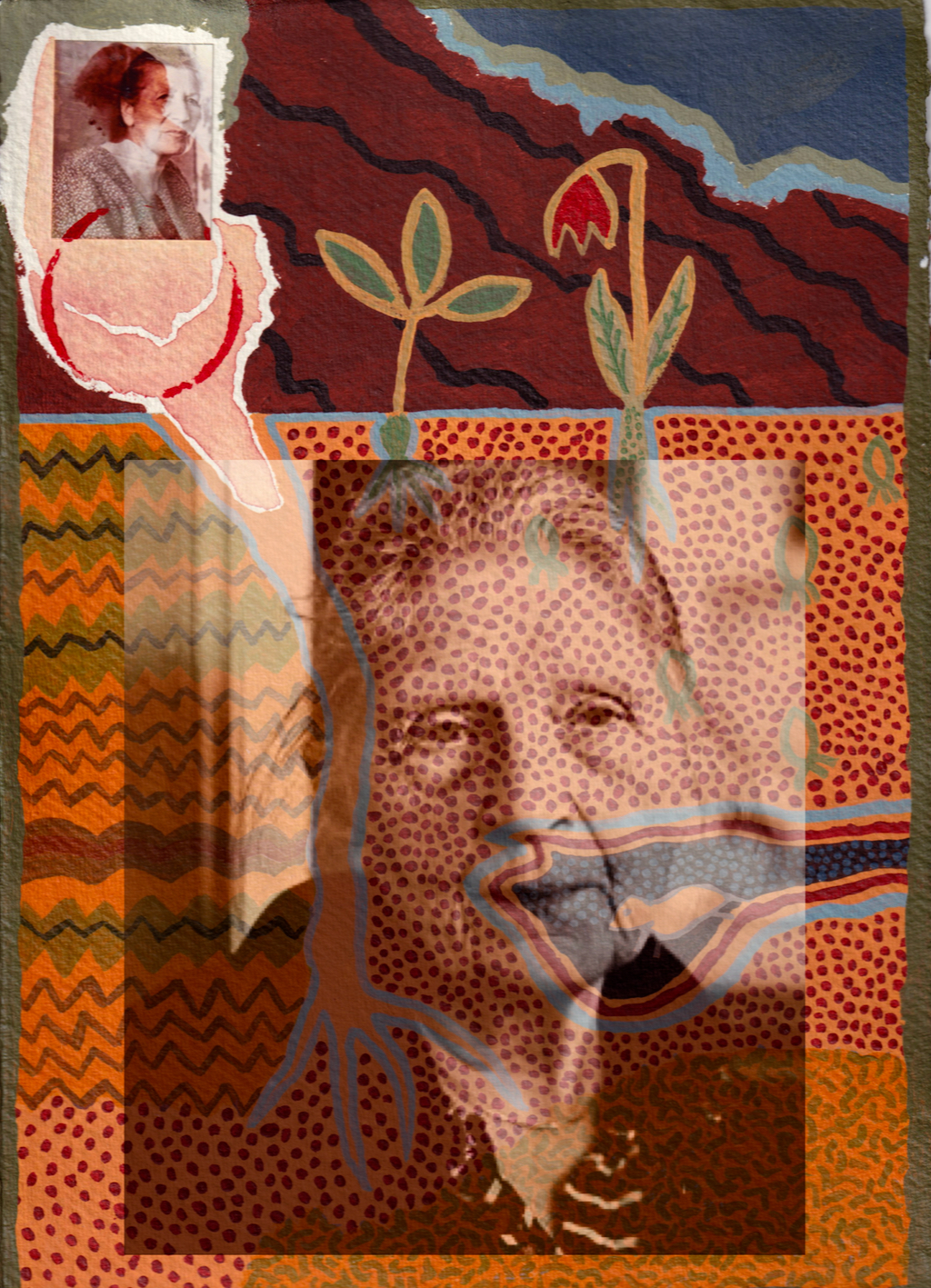
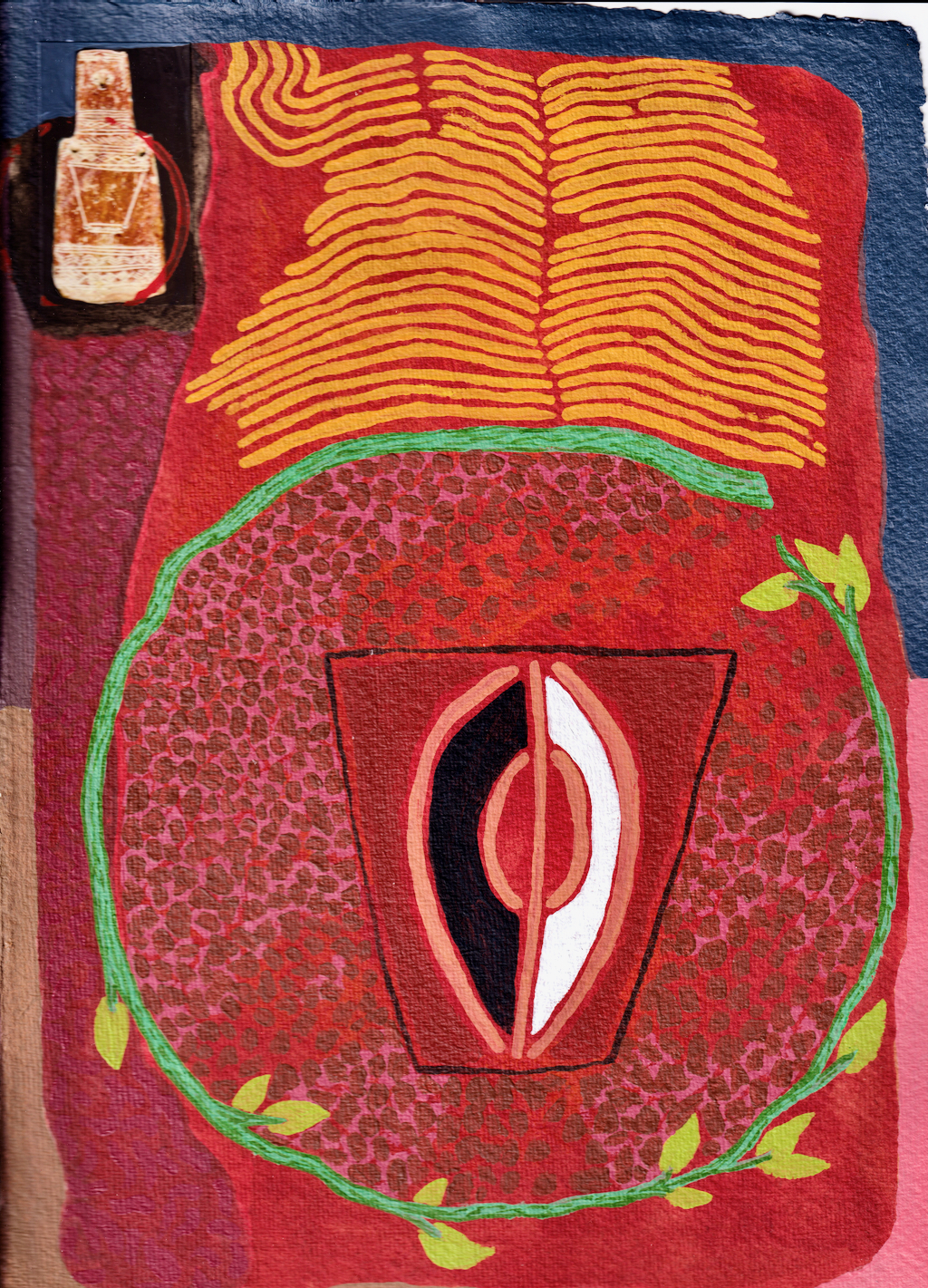
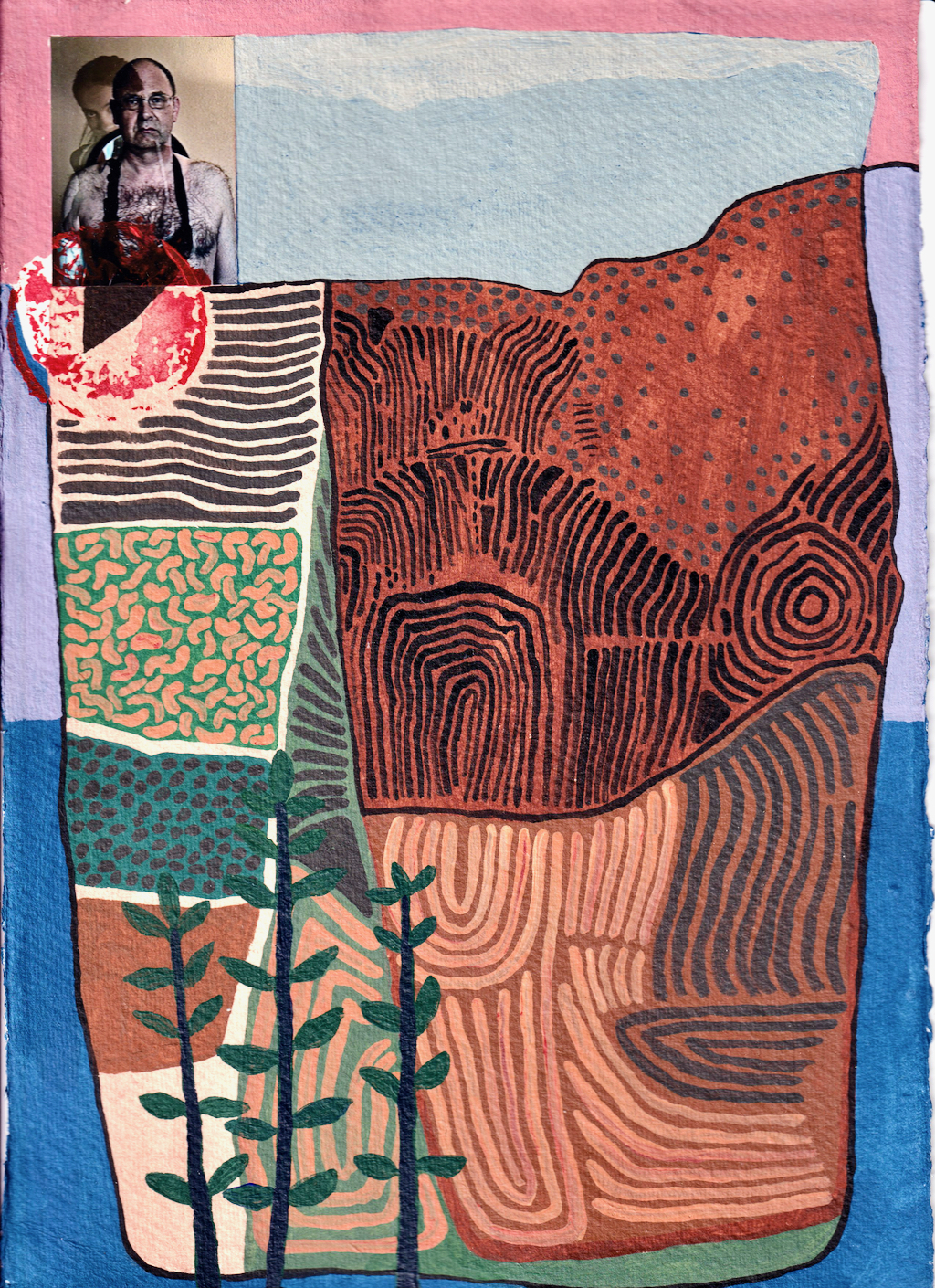
22 Postcards for Utopias Bach: postcard thirteen.

In the ground (cunning woman)

“Challenging prevailing orthodoxies and ways of working. Embracing the power of polarities, generating a space where radical change can happen. Encourage discussion and debate on difficult issues. Sometimes a tiny change is as important as a big one”.

                                            UB

Robert Duncan writes that groups of poets fiercely defend their particular idea of what a poem is (and I know the same holds for other kinds of artist). He adds: ‘My own poetry from its earliest stages, or my own mind and my own world, belongs to a tradition in which we inhabit a creation and are creatures’. (Robert Duncan ‘Wind and Sea, Fire and Night’ in Spring 59 p. 55).

I once attended a conference at Dartington Hall with a colleague, an ardent feminist, at which Kathleen Raine spoke on poetry. After the talk my colleague asked me to introduce her as I knew Raine slightly through my mother. My colleague asked Raine how what she’d just said applied to Sylvia Plath. Without a moment’s hesitation Raine replied: ‘Sylvia Plath is not a poet’. That dismissal is linked for me with René Daumal’s claim that poetry, like magic, ‘is black or white, depending on whether it serves the sub-human or the superhuman’, a view certain traditionalist thinkers would extend to all the arts. (René Daumal trans. Mark Polizzotti The Powers of the Word: Selected Essays and Notes 1927-1943 San Francisco, City Lights Books).

How does that kind of judgement relate to the sixth-century Anglo-Saxon “cunning woman” – “cunning” from cunnon, ‘to know’ – found in Scremby in the Lincolnshire Wolds, whose grave goods included a Scandinavian beaver tooth pendant and a large number of rock-crystal beads. A cunning-woman who, in all probability, worked with the Old English metrical charms that show that ‘the early English used shamanic techniques in their medical practice’ and, if that’s so, was a healer, a poet, and more – her beaver tooth pendant may have been a link to the Finns, at that time viewed as the greatest magicians in the human race. (Kathleen Herbert Lost Gods of Old England p. 9). I think they’d have sided with Archbishop Wulfstan, who condemned such cunning-women as witches, helrune (‘women who sought knowledge from the dead’), even as wælcyrian. 

At that time there were two distinctive attitudes to wælcyrian, a war-woman originally seen as a goddess and a malevolent (“black”?) divinity. Wulfstan dismissed her as ‘a woman who walks the streets of England and incurs the very real-world wrath of God in the form of Danish-Viking invasions’. But the cunning woman, imperfectly Christian and a healer with a knowledge of rūncræft, would have seen her as a more-than-human force to be defeated, if possible, through charms that evoked her name. While the Archbishop condemned her out-of-hand, the cunning folk, who also saw her as an enemy, acknowledged her as a supernatural being of real power and, using traditional lore, attempted to conciliate or mollify her by using ‘heroic, epithetical language so as to banish her’. (Philip A. Purser (2013) “Her Syndan Wælcyrian: Illuminating the Form and Function of the Valkyrie-Figure in the Literature, Mythology, and Social Consciousness of Anglo-Saxon England.” Dissertation, Georgia State University). Rather than an outright dismissal, an respectful acknowledgement expressed poetically.  

22 Postcards for Utopias Bach: postcard twelve.

A young poet

‘Like a strawberry plant, spreading and nurturing little seeds and offshoots: capacity building through sharing skills, ideas, events and resources’.

                                                                                                UB

Kathleen Jamie’s poem Meadowsweet proposes an alternative interpretation of the traditional claim that ‘certain of the Gaelic poets were buried face down’. (See ‘Meadowsweet’ in Waterlight: Selected Poems p. 79). In the poem the body of the unnamed woman carries with it both liquids and flower seeds, generating the vegetative life that shows her how to return to the surface and there greet those who buried her: 

mouth young, and full again

of dirt and spit and poetry.

An interpretation I’d want to link to John Cage’s concern with transcendent experience where attention to the world dissolves the ego, where the world itself is the goal, this moment eternal.

22 Postcards for Utopias Bach: card nine.

Slow crafting of a self

The self is also a creation, the principle work of your life, the crafting of which makes everyone an artist. This unfinished work of becoming ends only when you do, if then, and the consequences live on.

                                                                        Rebecca Solnit (The Faraway Nearby p. 53).

In a short chapter called ‘Caves’, in Thin Paths: Journeys In and Around an Italian Mountain Village, Julia Blackburn writes:

The skeleton of a young woman lies on her back and her body is covered by a blanket of thousands of little trochus shells. A pebble painted red is under her head and the jawbones of two very young children are there with her, also covered in shells. (p. 27).   

Why the young woman was buried like this is uncertain, but I’m struck by the care involved. Care signalled both by the placement of objects and the blanketing of the body with shells. Was this inspired by love and/or respect for the dead woman or by fear? If the “self” is an interiorization of some sense of community, one constituted in and by relationships, connections and attachments, then what’s the relationship between selves-in-community and care in relation to the dead? 

We’re in the kitchen finishing breakfast and suddenly my childhood friend Tim comes to mind. Tim, trainee poet and naturalist, who took N. and me into the radio-mast wood one afternoon to listen to its space, mapping it for us aurally by identifying each of the different birds singing around us, from the blackbird in the leaf-litter to the distant pigeons in the canopy. Tim who killed himself when the anti-depressants he’d been given have voluntarily had himself sectioned for depression had destroyed his kidneys, refusing to live tied to a dialysis machine. Tim whose father insisted he follow a path that made no sense to him; who gave me a copy of Anthony Hecht’s The Hard Hours, which I still have.     

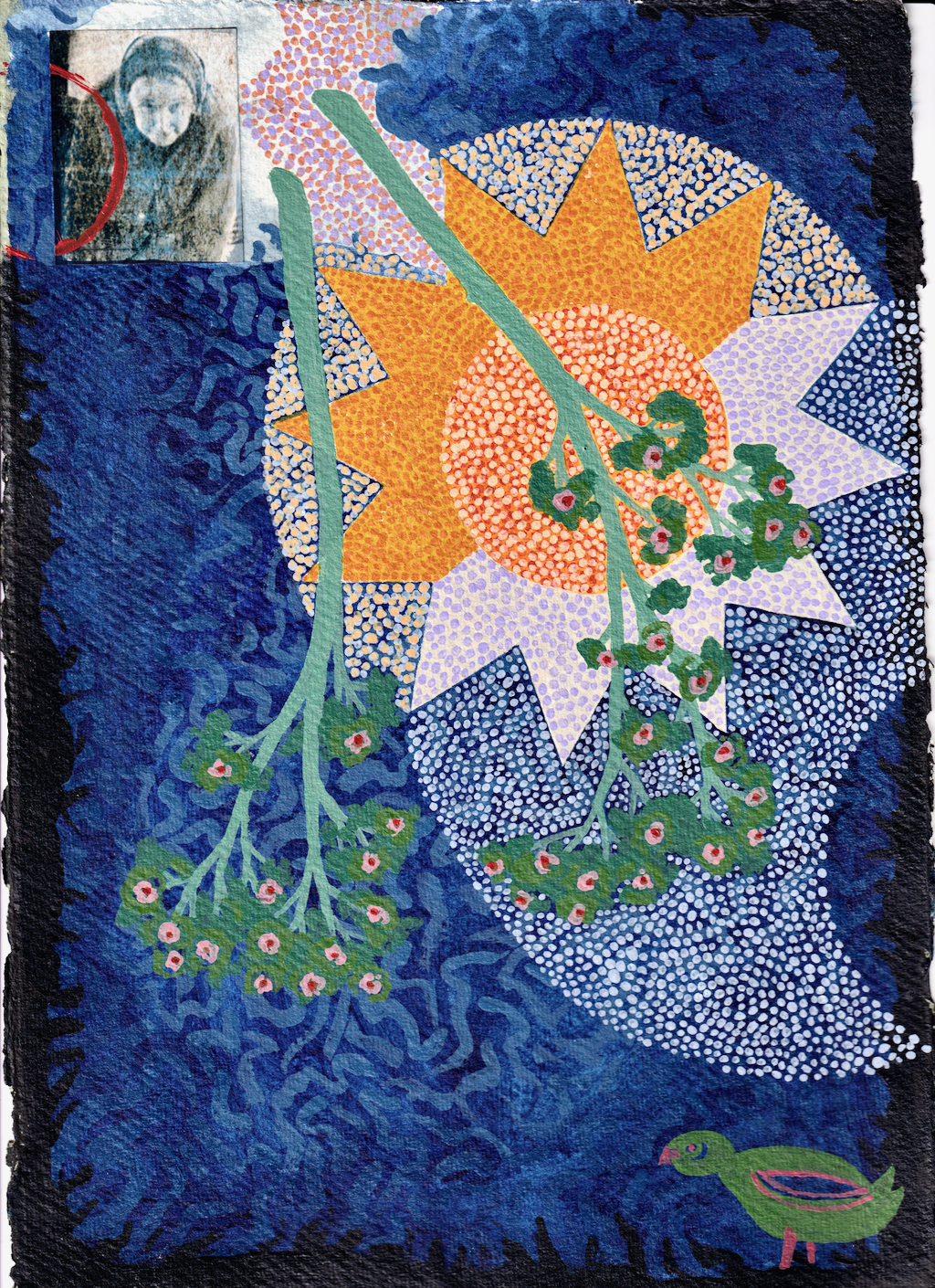
22 Postcards for Utopias Bach: card eleven.

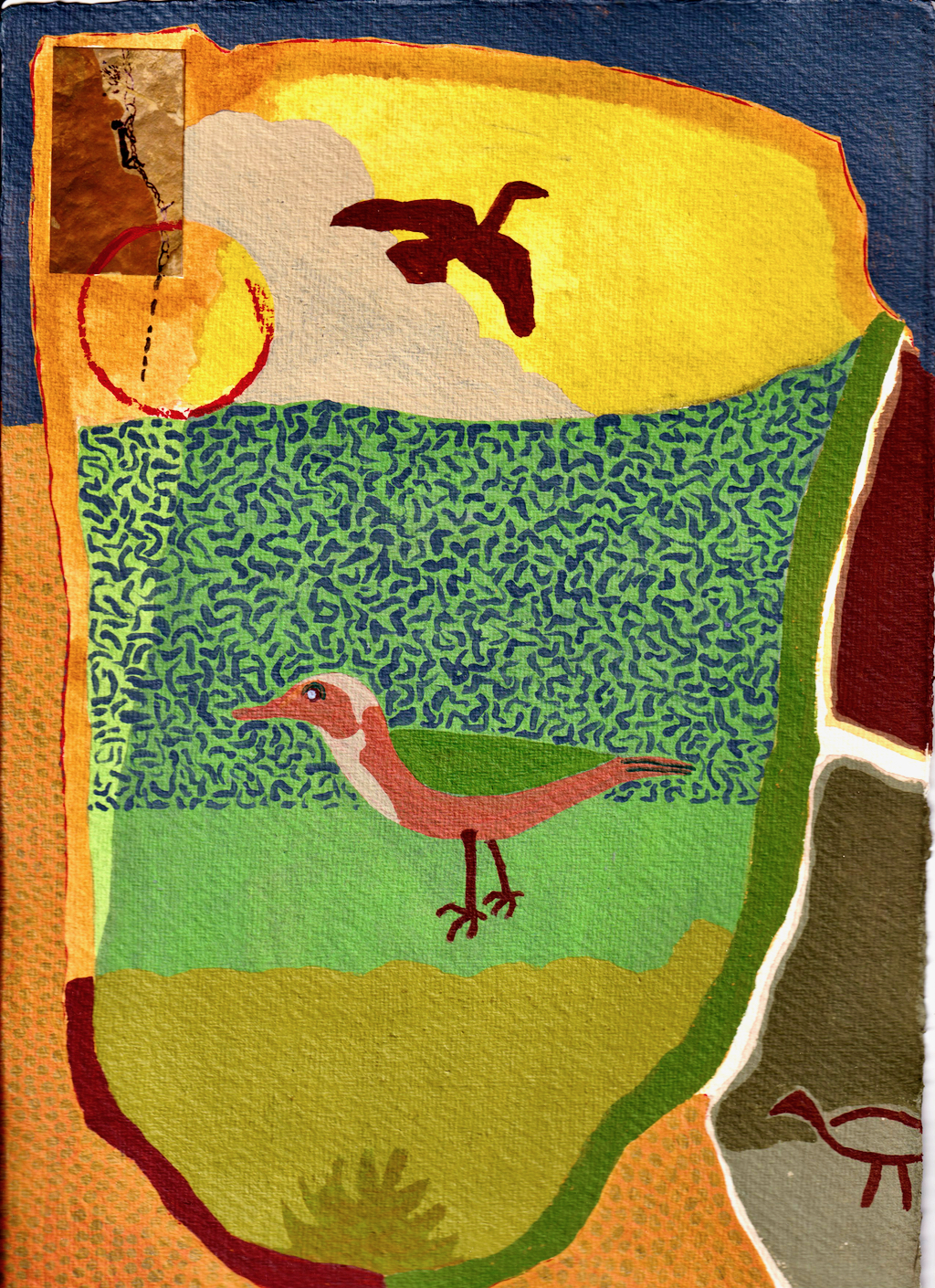
Sun, moon, old woman and parrot

 ‘How does just being here, asking questions, make a difference’?

                                                                                                            UB

Màiri nighean Alasdair Ruaidh (Mary Macleod) lived on Skye for much of her life. We know little about her beyond that she was a nurse in the household of the Macleod chief and started creating her songs of‘vignettes of the material world of the late-seventeenth-century Highlands as markers of her people’s prowess’ fairly late in life. (Information on Màiri in this section is from Colm Ó Baoill (ed) Màiri nighean Alasdair Ruaidh Song-maker of Skye and Berneray Glasgow, Scottish Gaelic Texts Society). However, MacLeod clan history records that a fairy sang a lullaby over a MacLeod heir and that for generations the qualification for any nursemaid to the chiefs was that they could sing what had now become an apotropaic spell, something between a wish and a charm for good fortune. 

We also know Màiri was exiled from Skye for a while but not why. It’s been speculated that she displeased her patron by over-praising one of his relatives, composed satirical or obscene songs, used poetic modes that were the preserve of male bards or, given her “croon” Hill iù-an hill eò-an, expressed in song her love for the chief’s children, some of whom subsequently sickened and died. She was forbidden to compose songs at some point, something she ignored. Perhaps her songs were believed to have affected the children’s health, as evoking the evil eye. “Oral tradition” presents Màiri as uncanny. It claims she was banned from singing outdoors and, later, indoors, so sang standing across thresholds, something that: 

refers to a specific method of dèanamh na frìthe, a process of divination in which the diviner walks in a circle about the fire reciting a rhyme, goes to the threshold, opens his or her eyes, and then interprets the future according to the first living creatures seen. Màiri nighean Alasdair Ruaidh’s position in tradition is thus emphatically liminal, not just between male and female, but between this world and what was to come.(Domhnall Uilleam Stiùbhart ‘Highland Rogues and the Roots of Highland Romanticism’ see https://www.academia.edu/18538963/_Highland_Rogues_and_the_Roots_of_Highland_Romanticism_)

“Oral tradition” also reports that ‘Màiri directed that she herself should be placed face down in her grave in St Clement’s church in Rondel, Harris, that “the lying mouth should be beneath her”’. A form of burial seen as a community’s judgement on an individual regarded as “immoral” or a “witch”. That judgement was also applied to the bard Mairghread nighean Lachlainn, supposedly buried in Mull face down and under a heap of stones. 

Maybe “oral tradition” should have another name? Nuala Ní Dhomhnaill reminds us that in the Gaelic poetic tradition shared between Ireland and Scotland, ‘bardic poets were rigidly mindful of maintaining the status quo of their own position’. Poets like Eibhlín Dubh Ní Chonaill were “disappeared”, just as ‘the mná luibheanna (herb women) and the mná cabhartha (midwives)’ were “disappeared” by ‘physicians and obstetricians’. (Nuala Ní Dhomhnaill (2005) op. cit. pp. 51-52). Perhaps the judgement of “oral tradition” on Màiri was a response to her “feminising” of the formal song tradition through simple, natural rhythms so as to express love for children she cared for? 

22 Postcards for Utopias Bach: postcard ten.

Calling to the dead

‘How can we work with, and accept, the dystopic element – that bit of ugliness that’s needed to make something beautiful? Do we need to keep it always in process, rather than something to arrive at’?

UB

The poet Kathleen Raine’s mother lovingly wrote down her childhood poems and, in doing so, confirmed her daughter’s sense of specialness. My mother returned my letters home from boarding school with my terrible spelling corrected. We each make what we can of our inheritances. I count myself deeply fortunate to have escaped the horrors my mother witnessed working as a front-line interpreter between the Red Cross and the allied army at the end of the war. The horrors Hecht faces down, poem by poem, in The Hard Hours. Horror always hovers around us, but I try to keep my thoughts from dwelling on it. From a young African girl’s account of her older sister being gang-raped until she died. From the screen image of a distraught Ukrainian woman desperate not to leave the body of her husband, killed by a Russian missile. And from the creeping fear of the loss of my loved ones, and of our daughter’s future after our deaths.      

Those of us who work with images in whatever way seem to live between multiple worlds and need to keep them all close. Robert Duncan writes: ‘So while you are imagining, you can’t believe or disbelieve. They aren’t in the same system at all…’, (Opening the Dreamway in the Psyche of Robert Duncan  Spring 59, 1996 p. 4),while Naomi Shihab Nye says of a “big” life, that it could be wide or deep, hold endless possibilities but be unconcerned with “better”, be interested and wears ‘questions easily’, never thinking ‘for one second it was the only life’. (Tender Spot: Selected Poems p. 11). The sociologist John Law says of the “one-world world” that it gives itself the right to ingest all other understandings of the world and, in doing so, make its own understanding absolute, exclusive, without any possibility of an alternative. Is any mindset that’s wholly convinced of its own “truth” a one-world world?The painter Morris Graves and the composer John Cage saw a convergence between the worlds of Dada and Zen Buddhism. Graves’ “mystical” art was informed by the Zen teachings he studied and have been described as a vehicle in his quest for spiritual enlightenment and desire to reach higher stages of consciousness. John Cage, however, qualified this by relating Graves’ attitude to that of the Northwest Indians. People for whom transcendent experience is given to those who identify with the “outside, where the world itself is the goal, this moment eternal.  

22 Postcards for Utopias Bach: card eight.

Imagining Kirstie

‘We seek questions rather than answers, or at least we will avoid rigid conclusions’.

                       UB

The last story of my father’s four stories involved Kirstie, my grandfather, and one of his friends. The two men went to collect oysters from a bed near Carbost that Kirstie regarded as her own. Discovering them there, she began to curse them roundly in Gaelic. His grandfather’s friend, a Professor of Ancient Middle Eastern Languages at Glasgow University, responded by cursing Kirstie back in some ancient tongue. The strange language and the solemn delivery disconcerted Kirstie so much she retreated, leaving the two men free to continue their task.

These four stories gave me a sense that places could be deeply uncanny. Perhaps they reflected my father’s sense of social tensions between the Elders of the Free Church of Scotland and the traditional beliefs and practices embodied in the figure of Kirstie, or perhaps a fascination with the uncanniness of hinterlands.

On Skye in 1945 “witch” would be “bana-bhuidseach” – literally bana: “female”, bhuidseach: “wizard, sorcerer, witch, sorceress”. In 1970 a man looked at the anthropologist Susan Parman and muttered “buidseachd (witchcraft) when a truck got bogged down while moving peat since ‘woman did not usually go out to bring home peats’. (Susan Parman Scottish Crofters: A Historical Ethnography of a Celtc Village p. 125).  English-language accounts of Skye’s folklore regularly refer to “witches” but there’s only one known legal allegation of witchcraft in the island’s history. There are, however, lots of formal letters from the Church Elders to the authorities asking them to take action against local woman identified as “witches”. Action not taken, perhaps because of the ambiguity inherent in “bana-bhuidseach”, which can also mean “wretch”, “scullery maid” or “temptress”. When one such letter was mentioned to a trusted local man, he replied that he had just recently employed a “wise woman” (in Gaelic boireannach glic), to “unwitch” his cow. It seems the authorities preferred not to attempt to disentangle one man’s bana-bhuidseach and another’s boireannach glic

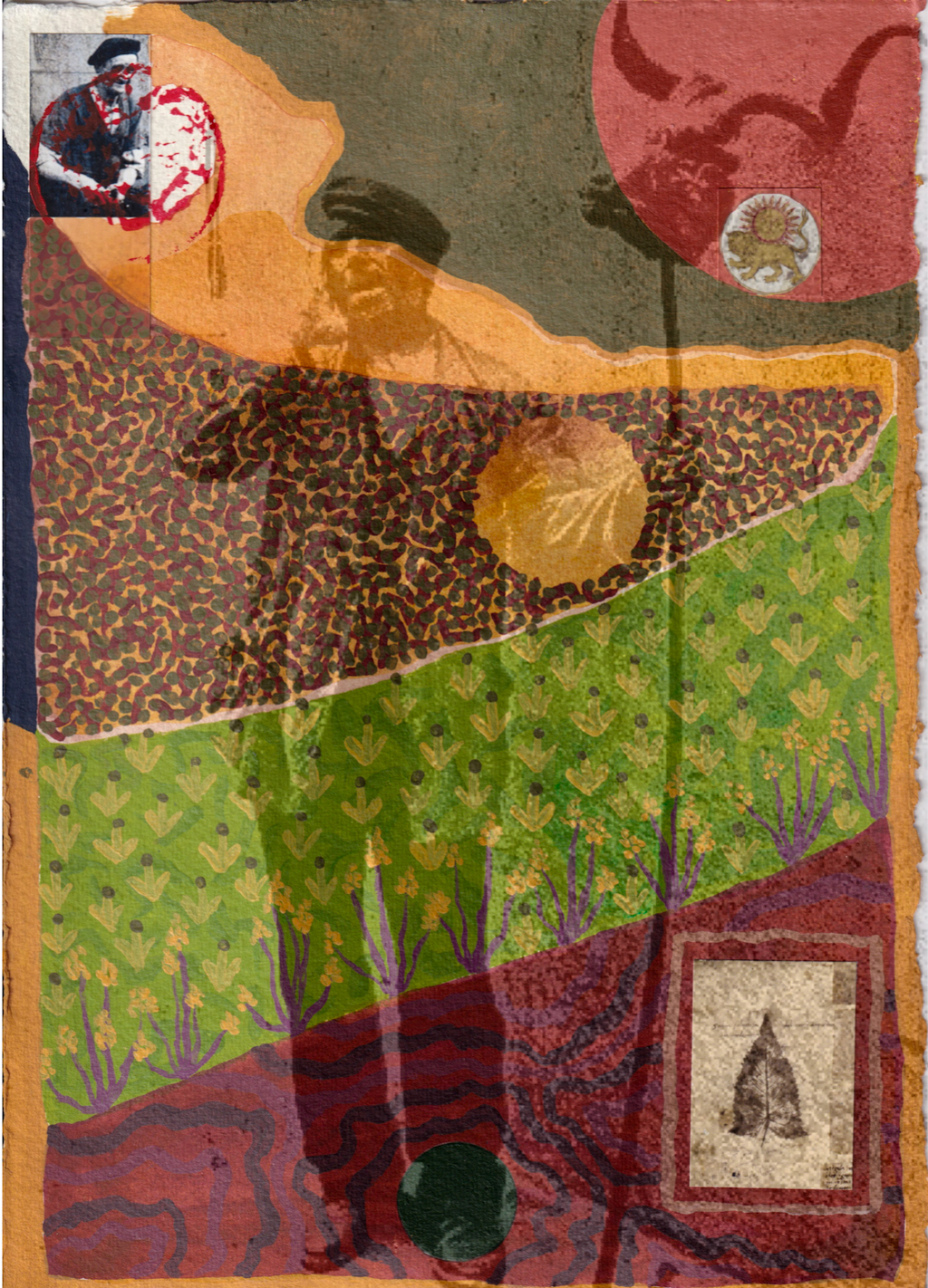
22 Postcards for Utopias Bach: card seven.

Fate (or: the Necessary Angel)

‘Seeking and celebrating diversity and difference, and appreciating what we each bring to the collective experience. Aspiring to give a platform to people and issues which may often be ignored or insufficiently recognised’.

                                                                                                UB

Rebecca Solnit writes: ‘We tell ourselves stories in order to live…’. (The Faraway Nearby p. 3). In 1940 my paternal grandparents left Kent for the Isle of Skye to avoid living under the flight path of the German bombers bound for London that sometimes jettisoned their cargo into the woods around their home. My father’s diary from 1945 tells us he visited his parents there with his first wife, Monica, on leave between January 15th and 27th. (On December 9th later that same year my mother would write her phone number and address into that same diary). In Scotland in late childhood and adolescence I heard my father tell the same four stories about Skye countless times.

One was about an accident when my grandparents were looking for a house to rent. My grandfather ran the near-side front wheel of his car into a ditch and left my grandmother there while he went to get help. This happened on a Sunday when decent people on Skye did no work, but a local woman passed my grandmother a cup of tea from behind a wall so as not to be seen, which would have resulted in the censure of her neighbours for “breaking the Sabbath”. 

The other stories all involved the uncanny. After a day’s climbing in the Cuillin, my father and his guide reached the road that would take them home in late afternoon as the light was fading. The guide then said he’d be returning the way they’d come rather than pass the standing stones by the road after nightfall. The last two stories concerned Kirstie, who my father called a “witch”. Whenever Kirstie needed an item of clothing she’d look for it on local washing lines. She’d then look at it until its owner, made anxious by the attention, appeared. Kirstie then praised it extravagantly until, fearing that all the goodness was being withdrawn from it, it was offered to her. More serious forms of “overlooking” were recorded by Robert Kirk,who writes that a man in his parish killed both his own cow and a hare ‘with his eyes’; the first by ‘commending its fatness’ and the second ‘having praised its swiftness’. (The Secret Commonwealth of Elves, Fauns and Fairies p. 72).  

Isle of Skye

22 Postcards for Utopias Bach: card six.

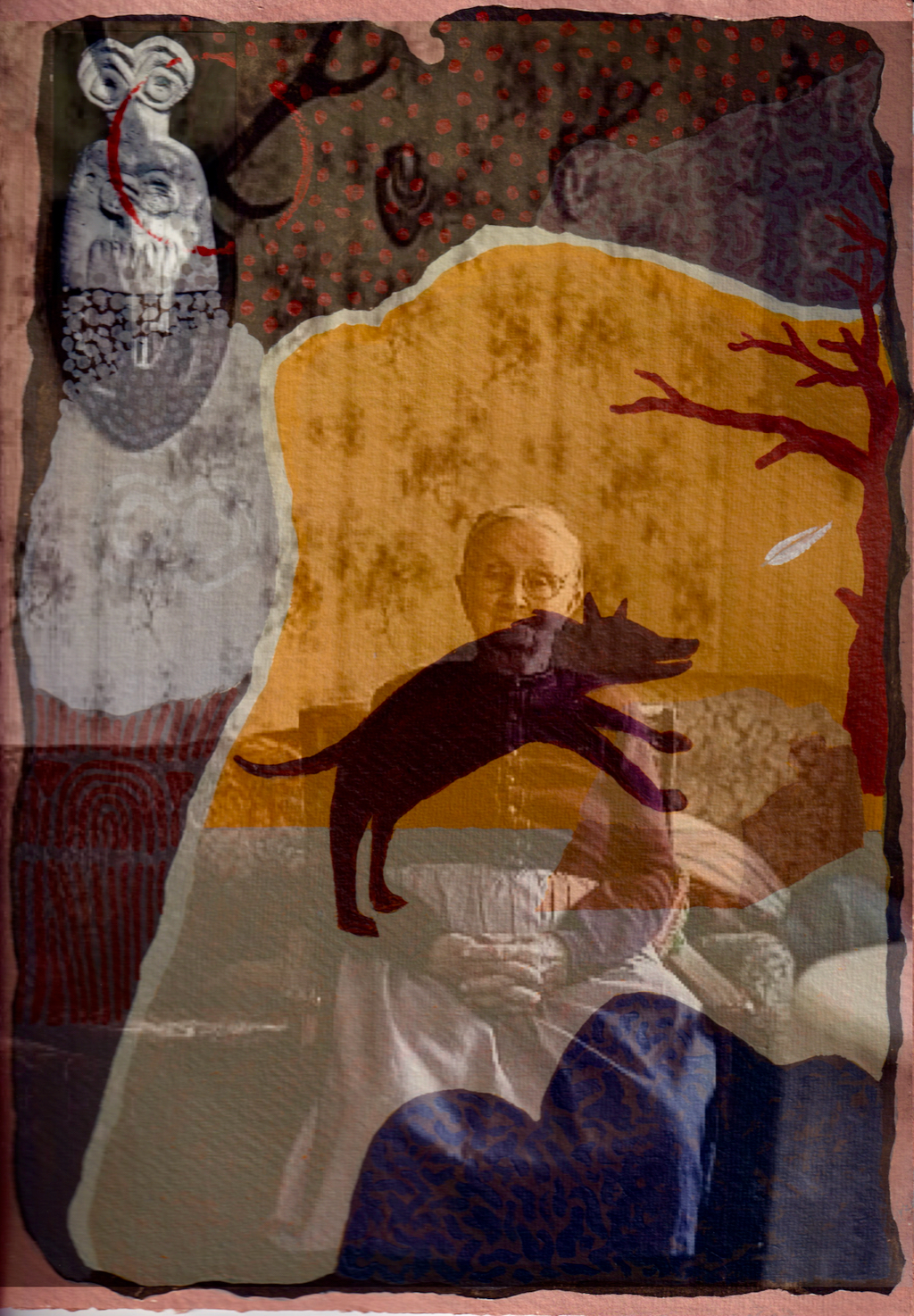
Three birds

‘We will work with awareness, care and respect to the environment, each other and all humans and more-than-humans, paying attention to our process, methods and our own becoming in this experiment by being’…

                                                                                                            UB

Do we need the arts to encourage attention, care and concern? Do they prompt us to a more sustained attention to the concreteness of the world and to the imaginal that permeates it, to what shows itself and to what’s hidden, to foreground and hinterland? Do they prompt a care that keeps us open, keeps us waiting for the unforeseen and allowing it to appear without preconception? Do they prompt a listening that goes deeper than thinking, an animal’s total alertness to the fullness of the world? Is her writing what sustains my daughter, a woman of forty-thee chronically ill since she was thirteen? 

As a boy my father would sometimes take me out before sunrise into a wood or plantation to stalk roe deer. It required me to learn a bodily attention to the woodland in its fullness, to everything and anything that might indicate we were in the vicinity of a buck or doe. I learned to walk silently, to foresee what would be under my foot next so as to avoid treading on anything that might make a sudden sound. To be alert to the breeze changing direction or to any alteration in my father’s movements behind me. To be fully immersed in the ebb and flow of the world of the wood. It was no surprise then to read recently that hunting in twentieth-century Corsica: ‘is still endowed with an almost magical and sacred significance’, so that the hunter ‘participates in what can be called an atavistic ecstasy’. (Dorothy Carrington The Dream-Hunters of Corsica p. 78).  

22 Postcards for Utopias Bach: fifth card.

Telling folktales

‘How can we create entanglements with human and more-than-human others near and far that experiment with – and point to – new ways of being’?

                                                                                                            UB      

James Hillman writes of animals that they: ‘wake up the imagination’. ( in James Hillman and Margot MacLean (1997) Dream Animals: Writings by James Hillman Paintings by Margot McLean p. 2).  Our sensing of the world is heightened by Rilke’s ‘noticing beasts’, by our acknowledging their knowing that: ‘we don’t feel very securely at home’ in the ‘interpreted world’. (‘The First Elegy’ trans. J.B. Leishman & Stephen Spender Duino Elegies p. 25) . They remind us of the mystery of presence, and ‘the childhood game of becoming-animal’ that ‘suggests …that children have a sense of themselves as emerging out of a … field of protean forces and materials, only some of which are tapped into by a child’s current, human, form’. (Jane Bennett The Enchantment of Modern Life: attachments, crossings and ethics p.51).

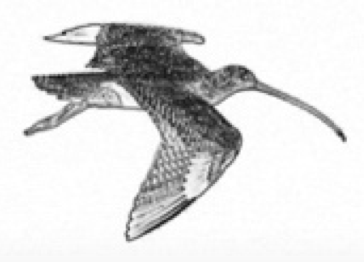
In folklore the curlew’s call is often linked to sorrow. Yet its haunting cry has a trailing, bubbling, musical, albeit mournful, quality that is also profoundly beautiful. Curlews flying at dusk are said to have given rise to belief in The Seven Whistlers. On the hill by his house at nightfall, a man called John Pressdee would hear seven curlews pass over, but with never more than six calling at any one time. If a seventh should call he believed the world would end. In Grace Wells’ poem Curlew eleven curlews enchant and lift her until she flys, despite her knowledge of, and sadness at, their dwindling numbers.